Serving Union City, CA and surrounding areas. (510) 738-1780
Every rainy season, your sloped yard loses a little more ground. A properly built concrete retaining wall stops the erosion, protects your foundation, and turns unusable slope into level space you can actually use.
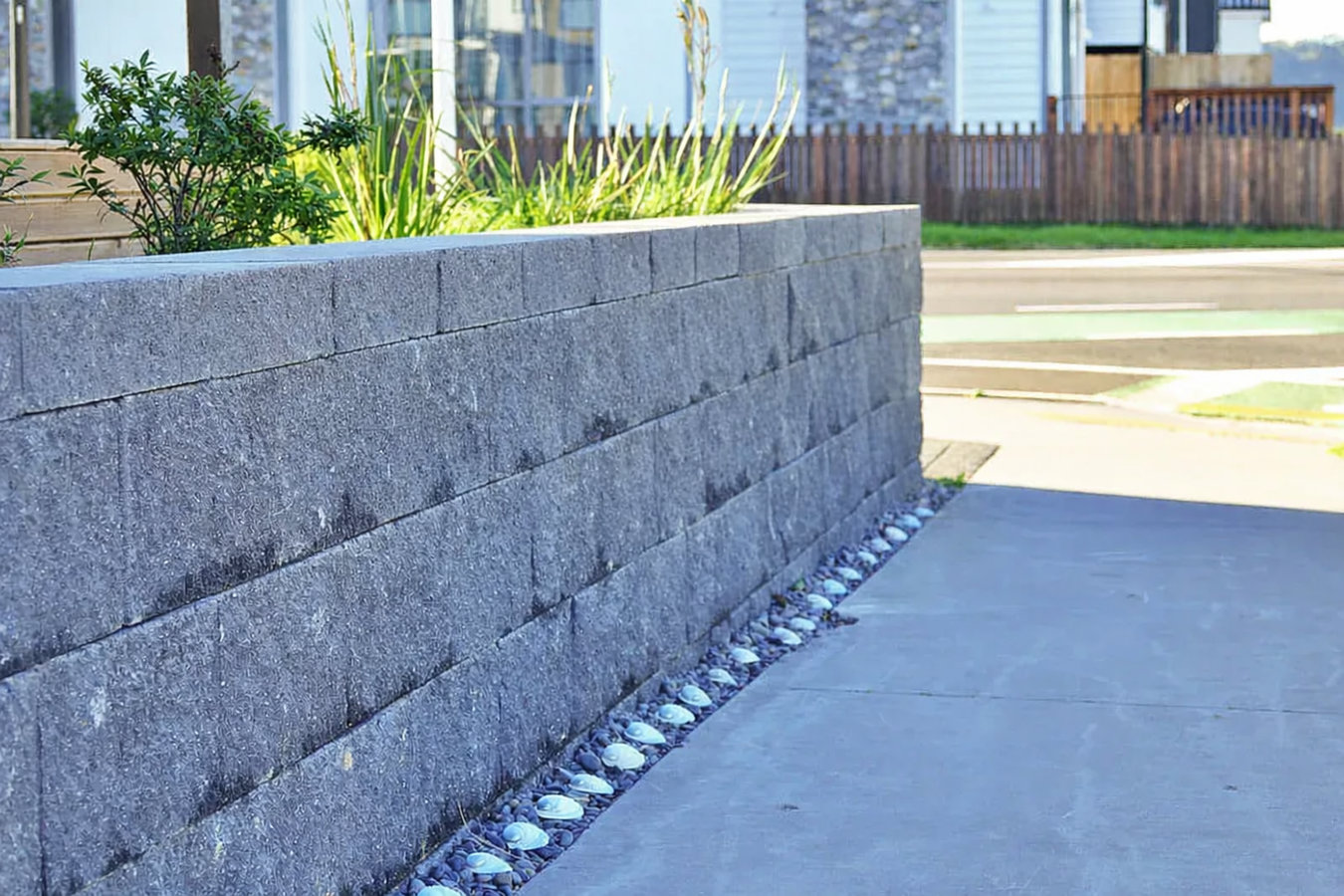
Concrete retaining walls in Union City hold back Bay Area clay soil and protect sloped yards from seasonal erosion - most residential jobs take two to five days on-site and require a city permit. Union City sits on expansive clay and Bay mud that swells and shifts with the rainy season, putting steady lateral pressure on any wall trying to hold it back. A wall built without proper drainage behind it and a deep enough footing is not a matter of if it fails - it is a matter of when.
If your yard is losing ground after every storm, or you have an existing wall that is starting to lean or crack, the problem will not fix itself before the next rainy season. Many Union City homes built in the 1960s through 1980s have retaining walls that are now approaching or past their useful life, especially in the hillside neighborhoods on the eastern side of the city. We also handle concrete floor installation for homeowners who want to improve their garage or interior slabs at the same time.
If you notice soil creeping downhill after storms, bare patches where grass used to grow, or small ridges forming at the base of a slope, the ground is actively moving. In Union City, the combination of clay soils and concentrated winter rainfall makes this kind of gradual erosion common on unretained hillsides. Left alone, it gets worse every season and can eventually undermine a fence, a driveway, or your foundation.
A wall that is tilting away from the slope, showing horizontal cracks across its face, or bulging outward in the middle is failing. This is especially common in Union City neighborhoods where walls were built before current seismic and drainage standards became standard practice. A leaning wall does not fix itself - it will eventually fall, and the soil behind it will follow.
Standing water collecting at the bottom of a hillside or along a fence line after rain is a sign that water has nowhere to drain and is saturating the soil. Saturated clay soil is significantly heavier than dry soil, and that extra weight is exactly what pushes retaining walls over time. A properly built wall with drainage behind it redirects that water before it becomes a structural problem.
If a significant portion of your backyard or side yard is too steep for a patio, a garden, or a play area, a retaining wall can create a level terrace that turns wasted slope into functional outdoor space. Many Union City homeowners with hillside lots have more usable land than they realize once a wall is properly placed and the grade behind it is filled.
Every retaining wall we build starts with a site visit to evaluate the slope, the soil, what sits above and below the wall, and how water moves through the area during rain. We design the footing depth and wall thickness for Union City's clay soil conditions - not a generic residential spec that ignores how this particular ground behaves. Drainage is built into every wall we pour: gravel backfill and a perforated drain pipe behind the structure so water has a clear path out instead of building up pressure against the wall face. We also pull the required city permit and coordinate the final inspection so the job is on record when it is complete.
We build both poured concrete walls and concrete block walls depending on what suits your site and budget. For homeowners who want to expand their usable yard after the wall is in place, we also handle concrete floor installation for any new covered or garage space. Structural projects that need anchor points in the ground can be paired with concrete footings designed to the same local soil and seismic standards.
Best for taller walls or sites with heavy soil pressure - reinforced with steel and poured in one solid structure.
A practical option for most residential heights - durable, permitworthy, and faster to build than poured concrete.
Multiple shorter walls stepped up a slope - well suited to steep lots in Union City where a single tall wall would need engineering review.
Union City sits on Bay mud and expansive clay soils that behave very differently from the sandy or loamy ground found in other parts of California. Clay swells when it absorbs water during the winter rainy season and shrinks back as it dries out through the summer - a cycle that puts lateral pressure on retaining walls year after year. The proximity to the Hayward Fault adds a second design consideration: walls here need reinforcing steel and footing depths that account for seismic ground movement, not just the static weight of the soil behind them. A wall designed for a San Jose backyard is not the same as one built correctly for a Union City hillside lot.
We serve homeowners throughout Union City and the surrounding East Bay, including Hayward and Newark. Every job in this area follows the same process: a thorough site evaluation before quoting, drainage designed for local rainfall intensity, and a footing depth that gets below the zone where Union City clay soil is most active. A wall built this way does not need to be revisited every few years.
We come to your property to walk the slope, look at drainage patterns, and assess what is above and below the proposed wall. You get a written estimate that breaks down excavation, footing, drainage materials, wall construction, and permit fees - not a number given over the phone without seeing the site.
We submit the permit application to the City of Union City Building Division on your behalf. City review typically takes a few weeks, so we start this step early and work it into the project schedule. You do not have to manage any part of that process.
The crew digs out the base, marks and avoids utility lines through the call-before-you-dig service, and pours the concrete footing that anchors the wall into stable soil below the active clay layer. This is the most disruptive day on-site - expect noise and excavated soil staged nearby.
Once the footing is set, the wall goes up and the drainage system - gravel backfill and perforated pipe - is installed behind it before the area is backfilled and cleaned up. The city inspector signs off, and we walk you through what to expect during the curing period before you landscape over the area.
We respond within 1 business day. The estimate is free, comes with no pressure, and includes a written breakdown of your full project scope before anything is agreed to.
(510) 738-1780Union City sits near the Hayward Fault, one of the most active faults in California. Every retaining wall we build includes reinforcing steel and footing depths that account for seismic ground movement - not just the static soil load. The California Geological Survey maps the seismic hazard zones we work in every day.
The number one reason retaining walls fail early is missing or inadequate drainage behind the structure. We install gravel backfill and a perforated drain pipe behind every wall we build - you can see it before it gets covered. Ask your other bids whether drainage is included and what exactly it consists of.
We handle the permit application, communication with the city, and the final inspection - you do not have to manage any of it. A permitted wall is legally documented, which protects you if you ever sell your home or need to make an insurance claim after a seismic event.
We work across 12 cities in Alameda and Santa Clara counties, so we know how local permit offices operate and how the soil varies from one neighborhood to the next. That local knowledge means fewer surprises and a project that moves on schedule instead of stalling at the permit counter.
A concrete retaining wall is a long-term investment in your property, and the details that make it last - drainage, footing depth, reinforcement, and a proper permit - are the same ones that get cut on low bids. We do not cut them, because a wall that fails in five years costs you more than doing it right the first time.
Replace or install a concrete floor that handles Union City's clay soil movement with proper reinforcement and a moisture barrier.
Learn moreBuild the concrete footings your wall or structure needs to stay anchored through Bay Area soil shifts and seismic activity.
Learn morePermit processing takes time - contact us now so we can get the application in and schedule your project before the fall rains arrive.