Serving Union City, CA and surrounding areas. (510) 738-1780
Crumbling, uneven, or slippery front steps are a safety hazard and the first thing anyone sees at your home. We pour new concrete steps in Union City built to handle local soil conditions and last through decades of Bay Area winters.
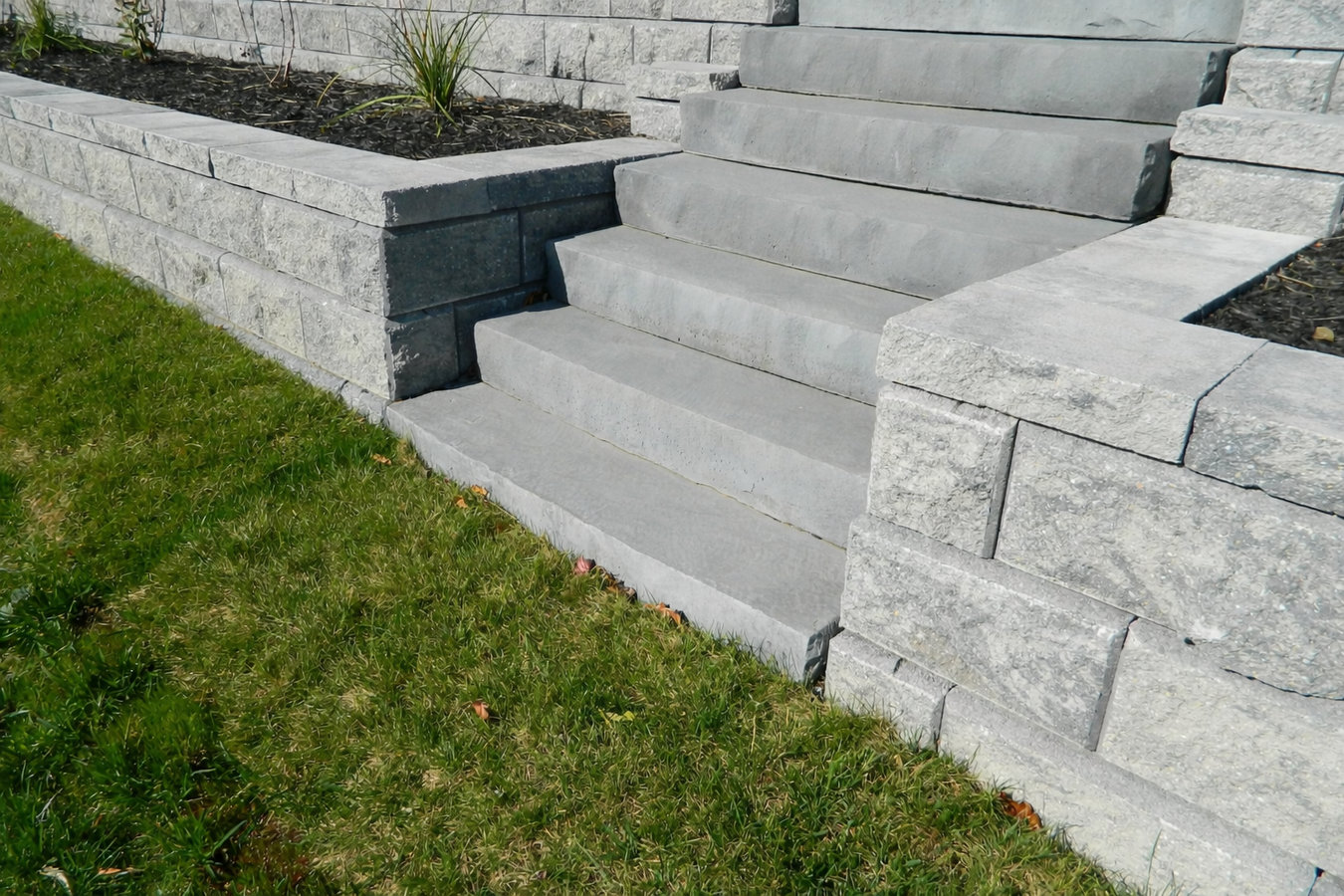
Concrete steps construction in Union City replaces or builds new poured-in-place stairs for front entries, side gates, and backyard access points - most residential projects take one to two days on-site and require a city permit. Unlike wood steps that rot and warp, well-built concrete steps can last 30 to 50 years with minimal upkeep, making them one of the better long-term investments for a Bay Area home.
The challenge in Union City is the ground. Much of the city sits on expansive clay soil that moves with the seasons - swelling during wet winters and shrinking in dry summers - which is exactly the condition that causes steps to crack and tilt if they are not built correctly from the start. Many homes in Union City's older neighborhoods were built in the 1960s through 1970s, and original steps from that era often lack the reinforcement and base preparation used in modern work. If your steps are shifting or showing deep cracks, the problem is almost always underneath - not just on the surface. For homeowners who also want to improve their front walkway, we handle concrete sidewalk building to match the new steps and create a clean, consistent entry path.
If you can see cracks wider than a hairline on your steps - especially ones that run all the way across a tread or down an edge - the concrete has started to break down structurally. In Union City, the clay soil underneath can shift seasonally, which accelerates cracking in steps that were not built with adequate reinforcement. Small surface cracks can sometimes be patched, but wide or deep cracks usually mean the steps need to be replaced entirely.
Stand at the bottom of your steps and look across the surface. If any step looks like it is tilting toward one side or has sunk lower than the others, the ground underneath has shifted. This is especially common in Union City's older neighborhoods, where original steps were often poured directly onto clay soil without a proper gravel base. Uneven steps are a tripping hazard and tend to get worse over time, not better.
If the surface of your steps looks like it is flaking off in chunks or has developed a rough, pockmarked texture, the concrete is deteriorating from the outside in. This kind of surface breakdown is often caused by water getting into small pores and expanding over years of wet Bay Area winters. Once the surface starts spalling, it exposes the interior of the concrete to more moisture and the deterioration speeds up.
If your home is from Union City's main development era and the steps appear to be original, they are likely 50 or more years old. Concrete from that period was often poured without the reinforcement methods used today and may have been built to older standards that did not account for seismic movement or expansive soils. Even if the steps look okay on the surface, a contractor can assess whether the structure underneath is still sound.
Every steps project starts with an on-site assessment to measure the space, check the drainage around the base, and evaluate what is currently there. If old steps need to be demolished first, we break them up and haul away the debris. We excavate the area, compact the soil, and lay a gravel base before any forming or pouring begins - this ground preparation step is especially important in Union City given the clay soil, and we will never rush it to save time on the schedule. Steel reinforcement goes inside every set of steps we build, which is what keeps them from cracking under weight and temperature changes over the years.
We build a wooden form to shape the steps, pour the concrete, and finish the surface with the texture you choose - a broom finish for practical grip, an exposed aggregate look, or a stamped pattern if you want something more decorative. We pull the required building permit through Union City and schedule the city inspection as part of every job. For homeowners who want to extend the project, we also handle slab foundation building for additions or accessory structures, and concrete sidewalk building to connect the new steps to a clean front path.
The most common project - a three- to five-step front entry that replaces aging original steps and improves both safety and curb appeal.
Practical access stairs for side gates, backyard entries, and garage-to-yard transitions - built to the same standard as front entry work.
Suits homeowners who want a broader, more finished look - such as a wide front staircase with a stamped or exposed aggregate finish that complements the home's exterior.
Union City's older neighborhoods - many of which were built between the 1950s and 1970s - have a high proportion of homes where the original concrete steps are still in place. At 50 or more years old, those steps were built to standards that often did not account for the clay soil movement or seismic activity that defines this part of Alameda County. When we replace steps on these properties, we are not just doing a cosmetic swap - we are correcting base conditions that were never right in the first place, which is why a thorough ground assessment before any forming begins is standard on every job we take.
We work throughout Union City and the surrounding East Bay, including projects in San Leandro and Newark. The same soil conditions, rainy-season timing, and permit requirements apply across this region, so our process is consistent from one city to the next. The best time to schedule a steps project is spring or early fall, before the November-through-March rainy season arrives. The American Concrete Institute sets the professional standards for concrete quality and installation that guide how we approach every job, and the Union City Building Division handles the permit and inspection process for all concrete construction work in the city.
We ask a few basic questions - how many steps, where they are located, any photos you can share - and schedule a free on-site visit. We do not quote over the phone without seeing the site first, because ground conditions here vary enough to matter.
We visit your property, look at the soil and drainage, and assess what is currently there. You receive a written estimate that separates labor and materials so you can compare it fairly against any other quotes you receive. Permit costs are included - never added as a surprise at the end.
We handle the permit application with Union City's Building Division. Plan for a few days of review time before the permit is issued. We factor this step into the overall timeline so there are no gaps or delays once the crew arrives.
On the work day, we remove old steps if needed, prepare the base, set the forms, place reinforcement, and pour. You can typically walk on the finished steps within 24 to 48 hours, but the concrete reaches full strength over about 28 days. We walk you through the finished work before we leave and confirm the city inspection is scheduled.
We handle the permit, the demo, and the inspection. Spring and early fall book quickly - reach out now to hold your spot.
(510) 738-1780A significant portion of Union City homes were built during the city's main development period from the 1950s through the 1970s. We know what original steps from that era look like underneath - often no gravel base, no reinforcement, and clay soil that has been moving for 50 years. We correct the ground conditions, not just the surface, so the replacement actually lasts.
Union City sits near the Hayward Fault, and ground movement - even minor tremors - can stress concrete that was not reinforced properly. Every set of steps we build includes steel reinforcement inside the concrete and a footing designed for Bay Area seismic conditions. This is not optional or an upgrade - it is standard on every job we take in the East Bay.
We apply for the Union City building permit as part of every steps project and schedule the city inspection after the work is done. The job goes on official record, which protects you legally and removes complications at resale. A contractor who suggests skipping the permit is saving themselves time at your expense - avoid that situation entirely.
We work in 12 cities across the East Bay, and the soil and weather conditions that shape concrete steps projects are consistent across Union City, San Leandro, Fremont, and the surrounding area. You can verify any concrete contractor's California license through the California Contractors State License Board before signing anything.
Properly built concrete steps in Union City start with the ground, not the surface. Every job we do here includes the base preparation and reinforcement that keeps steps level and solid through decades of Bay Area soil movement and rainy seasons.
Pour a properly reinforced concrete slab foundation for a garage, addition, or accessory structure on your Union City property.
Learn moreRepair or replace the concrete sidewalk connecting your home to the street with a surface built for Bay Area foot traffic and soil conditions.
Learn moreSpring and early fall book fast in the East Bay - call now or send us a message online and lock in your project date before the rainy season arrives.